
Security Education Courses
(45 courses)Explore all courses, labs, and learning resources from Security Education.
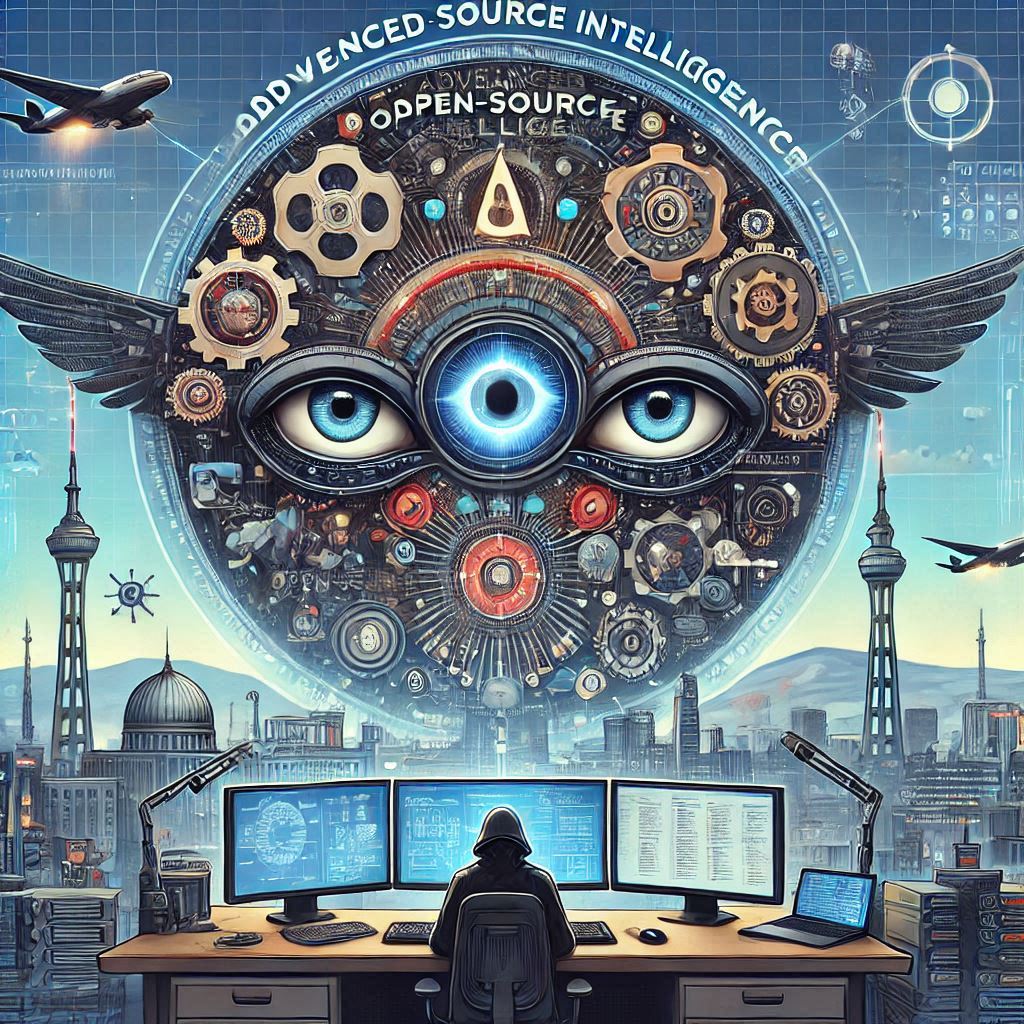
SEC587: Advanced Open-Source Intelligence (OSINT) Gathering and Analysis
SEC587 provides an in-depth exploration of advanced techniques for gathering and analyzing open-source intelligence (OSINT) in cybersecurity. The course teaches participants how to effectively leverage publicly available data—from social media and websites to government databases and deep web sources—to uncover potential security threats and vulnerabilities. Students will learn how to use OSINT tools for real-time threat intelligence, competitor analysis, and threat actor profiling. Emphasizing practical, hands-on exercises, SEC587 enhances the ability to conduct in-depth investigations, identify attack vectors, and anticipate cyber threats, all while adhering to legal and ethical standards.

SEC530: Defensible Security Architecture and Engineering: Implementing Zero Trust for the Hybrid Enterprise
SEC530 offers a comprehensive approach to designing and implementing a Zero Trust security model within hybrid enterprise environments. This course emphasizes the importance of security architecture in mitigating modern threats by assuming that every user, device, and application could be compromised. Participants will explore Zero Trust principles, including identity and access management, micro-segmentation, continuous monitoring, and least-privilege access. Through hands-on labs and case studies, students will learn to implement these concepts across hybrid infrastructures, ensuring robust defenses and minimizing the attack surface. SEC530 prepares security professionals to create and maintain resilient, adaptive security architectures aligned with the latest industry standards and best practices.
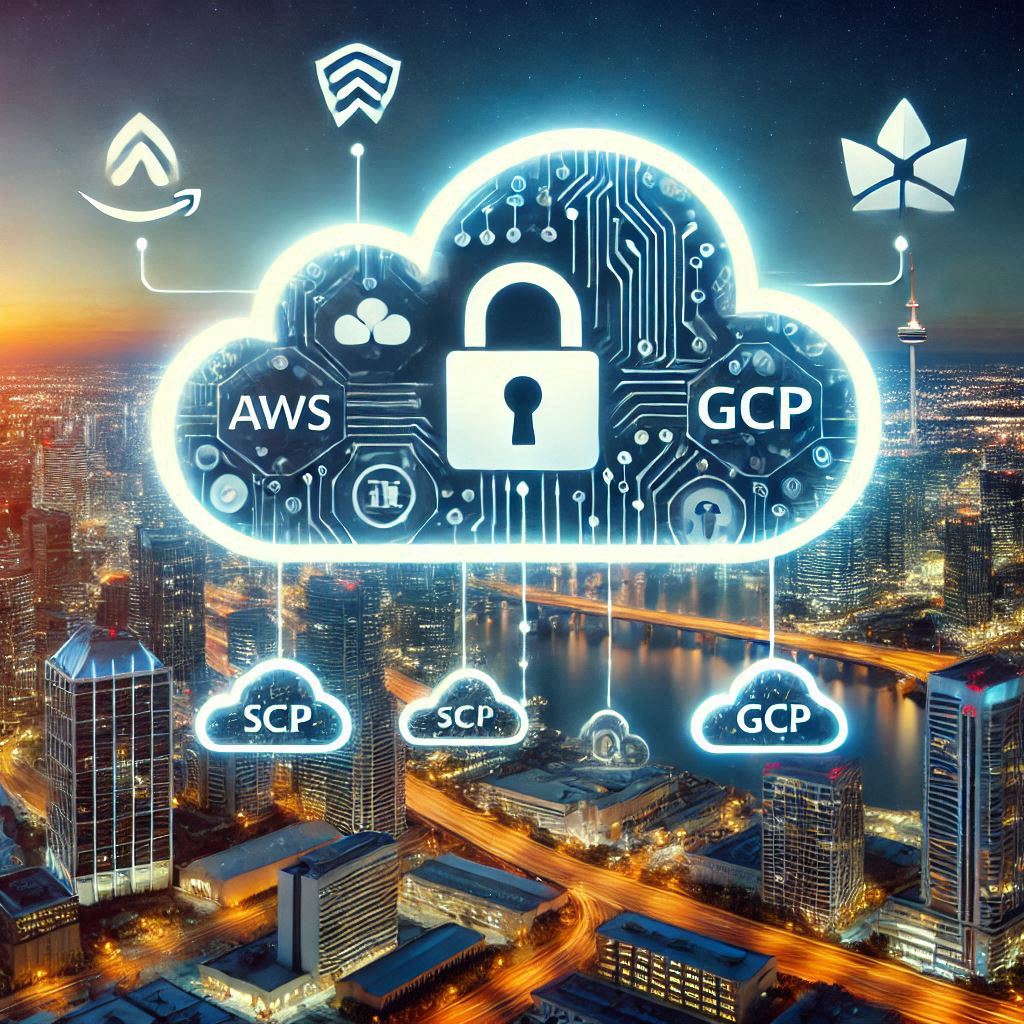
SEC510: Cloud Security Controls and Mitigations
SEC510 provides a deep dive into securing public cloud infrastructures, focusing on the top three platforms: Amazon Web Services (AWS), Microsoft Azure, and Google Cloud Platform (GCP). The course covers key security challenges unique to the cloud, such as identity and access management (IAM), data protection, network security, and compliance across these environments. Participants will learn to assess and mitigate risks, implement best practices, and leverage native cloud security tools for threat detection and incident response. Through hands-on exercises and real-world case studies, SEC510 equips security professionals with the skills to protect and secure critical cloud-based resources in multi-cloud and hybrid cloud environments.

SEC595: Applied Data Science and AI/Machine Learning for Cybersecurity Professionals
SEC595 empowers cybersecurity professionals to leverage data science, artificial intelligence (AI), and machine learning (ML) to enhance threat detection, incident response, and security automation. This course provides a practical, hands-on approach to applying data-driven techniques for analyzing security data, identifying anomalies, and building predictive models. Participants will learn to work with popular tools and frameworks, explore real-world datasets, and develop ML models to solve cybersecurity challenges such as intrusion detection, malware classification, and phishing detection. SEC595 bridges the gap between data science and cybersecurity, equipping professionals with cutting-edge skills to tackle modern threats effectively.

SEC550: Cyber Deception – Attack Detection, Disruption and Active Defense
SEC550 explores the art and science of cyber deception as a proactive strategy for detecting, disrupting, and defending against adversaries. Participants will learn to design and implement deception technologies, such as honeypots, honey tokens, and decoy systems, to mislead attackers and gather actionable intelligence. The course covers strategies for embedding deception across networks, cloud environments, and applications, enabling organizations to detect threats early and minimize the impact of attacks. Through hands-on labs and real-world scenarios, SEC550 equips security professionals with innovative tools and techniques to outmaneuver attackers and strengthen their overall security posture.

SEC566: Implementing and Auditing CIS Controls
SEC566 provides a practical guide to implementing and auditing the Center for Internet Security (CIS) Critical Security Controls (CIS Controls). This course is designed to help organizations improve their cybersecurity posture by effectively prioritizing and deploying the CIS Controls framework. Participants will learn how to assess current security practices, identify gaps, and align them with CIS guidelines to reduce risk. The course also covers techniques for auditing the implementation of controls to ensure compliance and effectiveness. Through hands-on exercises and real-world scenarios, SEC566 equips security professionals with actionable strategies to strengthen defenses and achieve measurable improvements in cybersecurity.

SEC537: Practical Open-Source Intelligence (OSINT) Analysis and Automation
SEC537 provides hands-on training in open-source intelligence (OSINT) gathering, analysis, and automation techniques. This course teaches participants how to collect actionable intelligence from publicly available sources, such as websites, social media, forums, and databases, while adhering to ethical and legal standards. Students will also explore tools and scripting methods to automate OSINT workflows, enabling efficient large-scale data collection and analysis. Real-world scenarios and exercises demonstrate how OSINT can be applied to threat intelligence, investigations, and risk assessments. SEC537 equips professionals with the skills to uncover critical information, gain insights, and enhance decision-making in cybersecurity and beyond.

SEC487: Open-Source Intelligence (OSINT) Gathering and Analysis
SEC487 is a foundational course focused on collecting, analyzing, and leveraging publicly available information for cybersecurity, investigations, and decision-making. Participants will learn techniques to gather OSINT from various sources, including social media, public records, websites, and dark web platforms, while maintaining ethical and legal compliance. The course emphasizes manual and automated methods for identifying and interpreting critical data. Through hands-on exercises and real-world case studies, SEC487 equips students with the skills to apply OSINT in threat intelligence, vulnerability assessments, and incident response, enabling professionals to uncover valuable insights and protect against evolving threats.
SEC556: IoT Penetration Testing
SEC556 focuses on the unique security challenges posed by the growing number of Internet of Things (IoT) devices. This course teaches participants how to identify, exploit, and secure vulnerabilities in IoT devices and their supporting infrastructures. Topics include network attacks, device manipulation, weak authentication, insecure communications, and firmware analysis. Through practical labs, students will perform hands-on penetration testing on a range of IoT devices, from consumer gadgets to industrial systems. SEC556 equips professionals with the skills needed to understand IoT-specific attack vectors, develop mitigation strategies, and improve the overall security of connected ecosystems in both personal and enterprise environments.

SEC599: Defeating Advanced Adversaries – Purple Team Tactics & Kill Chain Defenses
SEC599 focuses on the integration of offensive and defensive strategies in purple team exercises to thwart advanced adversaries. This course explores how to use the kill chain model to identify and disrupt adversary tactics at every stage of an attack, from initial compromise to exfiltration. Participants will learn to emulate sophisticated threat actor techniques while developing and implementing effective defenses, detection systems, and countermeasures. Through hands-on exercises and attack simulations, students will gain expertise in strengthening their security posture by continuously improving their response to advanced persistent threats (APTs) and real-world attack scenarios.
SEC555: SIEM with Tactical Analytics
SEC555 is a hands-on course that teaches security professionals how to effectively leverage Security Information and Event Management (SIEM) platforms for detecting, analyzing, and responding to cyber threats. The course focuses on configuring, tuning, and optimizing SIEM solutions to gather actionable intelligence from logs, events, and network data. Participants will explore advanced analytics techniques, threat hunting methodologies, and real-world scenarios to identify malicious activity and improve incident response. Through practical exercises and case studies, SEC555 equips attendees with the skills to transform their SIEM into a powerful tool for proactive defense and tactical decision-making in dynamic security environments.

SEC549: Enterprise Cloud Security Architecture
SEC549 focuses on designing and implementing robust cloud security architectures tailored to enterprise environments. This course provides a deep dive into securing multi-cloud and hybrid cloud infrastructures, addressing challenges such as identity and access management (IAM), secure workload deployment, data protection, and compliance. Participants will learn to build scalable, defensible cloud architectures using industry best practices and native security tools across platforms like AWS, Azure, and Google Cloud. Through hands-on labs and case studies, SEC549 equips security professionals with the knowledge and skills to develop resilient cloud security strategies that align with business goals and withstand evolving threats.